

Research Stories
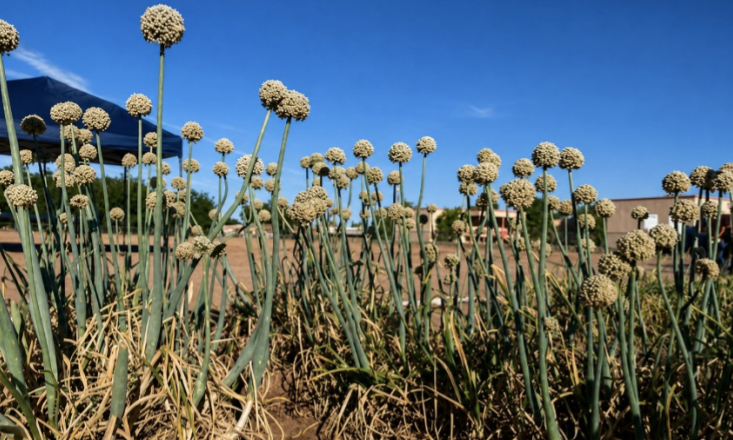
Genetic Enhancement in Onion Crop systems: Christopher Cramer
- Fusarium basal rot (FBR) is a soil-borne fungal disease that causes disintegration of the onion bulb basal plate, killing plants growing in the field. Onion stakeholders have identified FBR as a severe disease threat to onion yield and economic sustainability.
- Impacts: Commercial seed companies can use this information and germplasm to develop FBR-resistant onion cultivars. This will result in improved onion cultivars that growers in New Mexico can use to improve their productivity.
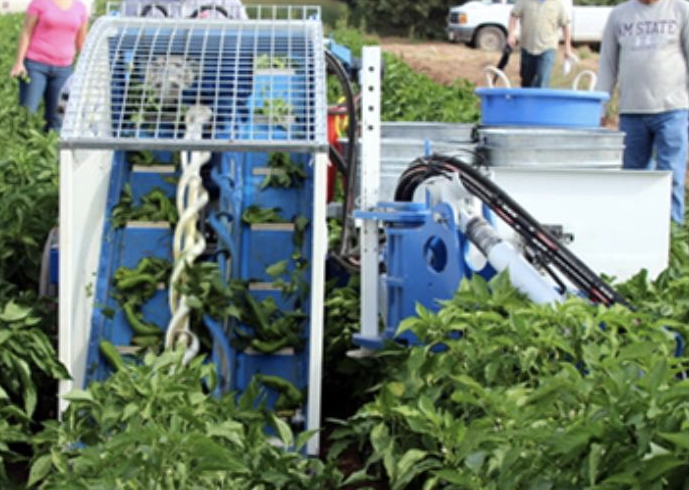
Reinvigorating Chile Production in NM through Variety Development and Mechanization
- This project will amplify long-term breeding efforts in developing new cultivars and germplasm emphasizing mechanization and other traits critical for New Mexico’s chile crops.
- Impacts: Currently New Mexico growers are dealing with continued labor shortages, adverse growing conditions, water demand and expensive seed. Describing and publicizing all of the improved qualities and the unique flavor of open-pollinated NM-type chile will increase demand for the product, and implementing mechanization will allow NM growers to keep up with demand even with continuing labor challenges.
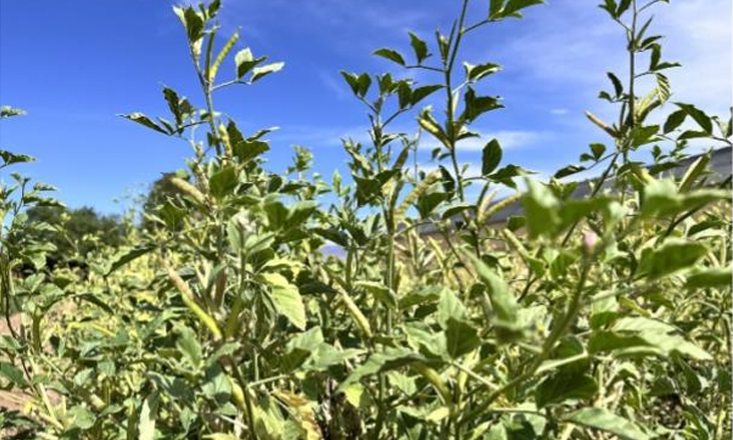
Guar Research: Kulbhushan Grover
- A collaboration between NMSU and US salinity lab looks at salt tolerance in guar genotypes.
- Impacts: Identifying alternate crops that can grow with minimum irrigation water, reduce inputs, improve soil quality, and provide economically sustainable returns to the growers of the region is important.
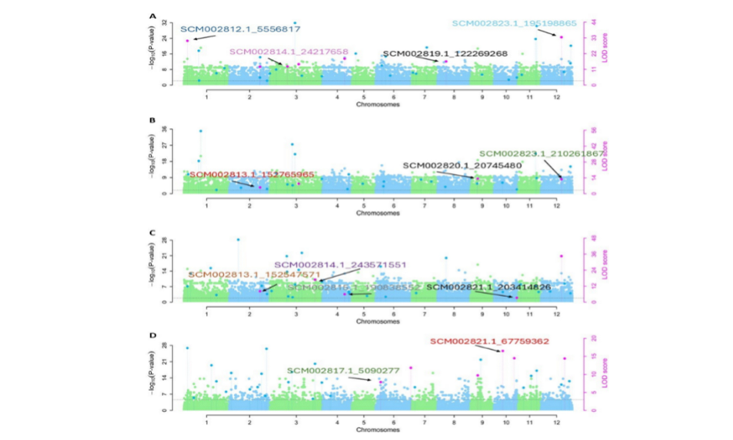
Association mapping for nutritional quality traits in chile pepper: Dennis Lozada
- This project aims to understand the natural variation in important nutritional and quality traits of chile pepper, including pungency, color, and health-promoting compounds
- Impacts: This project will generate valuable scientific and practical outcomes for chile pepper improvement by linking nutritional quality traits with their underlying genetic determinants.
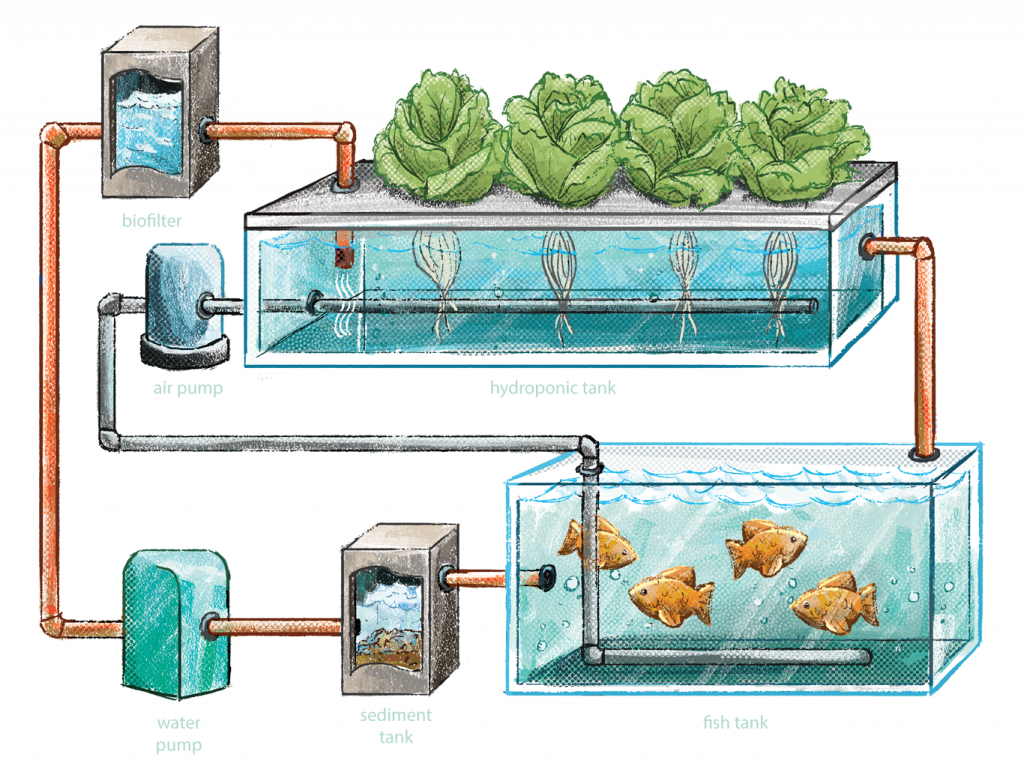
Preparing Future Professionals in Fisheries and Aquaculture for Positions in USDA: Wiebke Boeing
- This project aims to identify threshold fish populations and feeding that would optimize simultaneous fish biomass production and regulate both water quality and increased plant production.
- Aquaponics is a way to simultaneously grow fish and crops with minimal land and water usage.
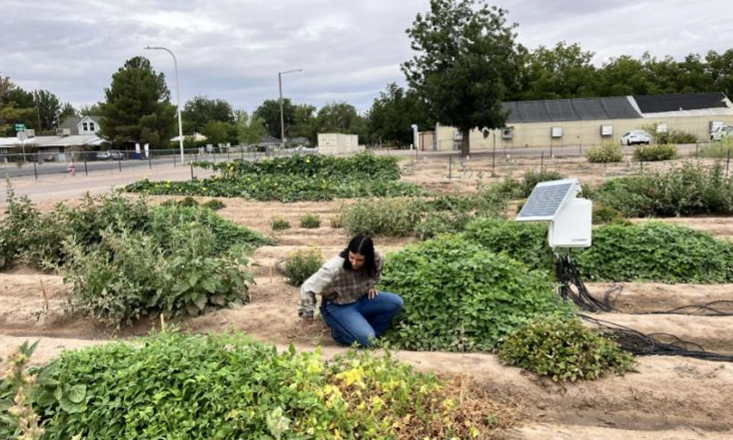
Expanding Organic Systems to Reduce Water Demand and Increase Agricultural Resilience in the Southwest: Ivette Guzman
- This project identifies pathways to agricultural resilience for arid and semi-arid small farms.
- Impacts: The impact will address organic priorities set by USDA and will improve strategies and models to optimize water use and crop production in the southwest.
Effects of root and mycorrhizal traits on native plant performance under drought: Magda Garbowski
- Dryland species often persist in a region by developing seedbanks during times of disturbance and drought. Therefore, understanding seedbank dynamics is essential to understanding the capacity of dryland ecosystems to regenerate after disturbances such as grazing or after periods of drought.
- Impacts: This research will clarify which species are present in desert seedbanks of southern New Mexico and provide new information about how these seedbanks respond to precipitation and restoration action.
Enhancing Induced Disease Resistance in Chile Pepper Using Botanical and Microbial Biostimulants: Phillip Lujan and Soum Sanogo
- Innovative approaches using biofungicides such as plant extracts and microbial formulations are being explored to combat fungal pathogens in chile pepper production.
- Impacts: This project focuses on the needs of the chile pepper industry and NM agriculture. Results from the project provide information that will help producers make a decision on adopting cover cropping as a tool to increase microbial biomass in soil.
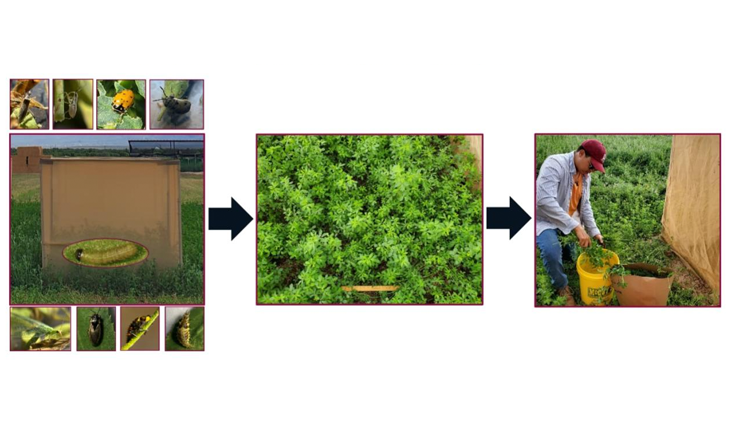
The compatibility and contribution of natural enemies in western US alfalfa management: Ricardo Ramirez
- Through a multi-year project, a field survey of New Mexico alfalfa fields was conducted to evaluate the impact of varied management with and without insecticide applications on the natural enemy community.
- Impacts: Gaining a better understanding of the contribution of natural enemies on pest suppression and the impacts of crop management on the conservation of natural enemies provides a foundation for improved management strategies.
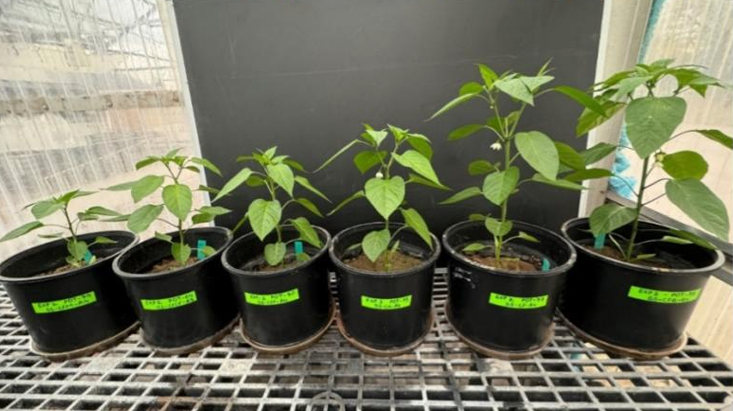
Title: Effects of Soil Amendments and Environmental Stresses on Microbial Diversity, Nutrient Availability, and Chile Growth
- Sustainable chile pepper farming in arid regions like New Mexico faces challenges such as water scarcity, soil salinity, and low organic matter.
- Impacts: This project tackles key challenges in New Mexico’s chile industry, such as water scarcity, salinity, and declining soil health.
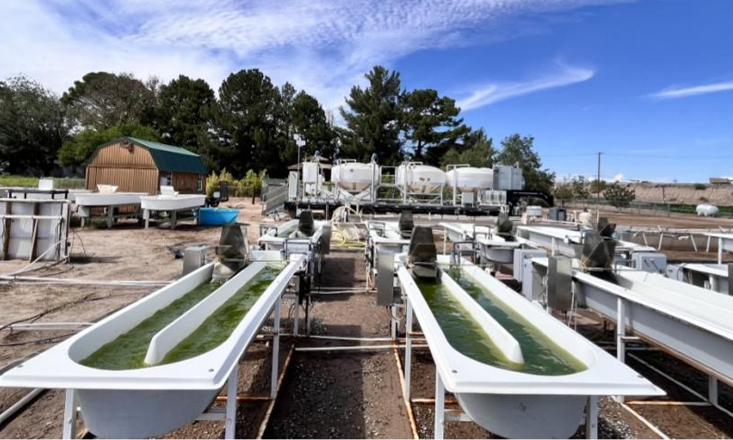
Antivirulence Approaches to Treat Algal Crops (AvATAC): Alina Corcoran
- This project responded to a funding call by the Department of Energy to protect algal crops from pests in outdoor, open systems. In this work, we developed and implemented a new approach to crop protection, relying on the use of antivirulence strategies.
- Impacts: This project will deliver transformative algal crop protection strategies by advancing antivirulence technologies that reduce pathogen resistance and lower input costs the industry.